
Understanding Rockville's Location and Geography
Climate and Weather Considerations
Cost of Living Reality
Housing Expenses
Overall Living Costs
Cost Comparison Context
Neighborhood Options
Rockville offers diverse neighborhoods catering to different preferences, family situations, and budgets.
Rockville Town Center
Downtown Rockville features modern high-rise apartments and condos within walking distance of shops, restaurants, and entertainment. The area attracts young professionals and empty nesters who value walkability and urban amenities. Rent runs higher here reflecting premium location. The Town Square hosts concerts, festivals, and community events throughout the year.
Residents enjoy immediate access to numerous restaurants serving diverse cuisines. Retail shops, services, and grocery stores sit within short walks. Metro access from Rockville Station enables car-free commuting. However, parking costs extra and noise from street activity affects some units.
West End and King Farm
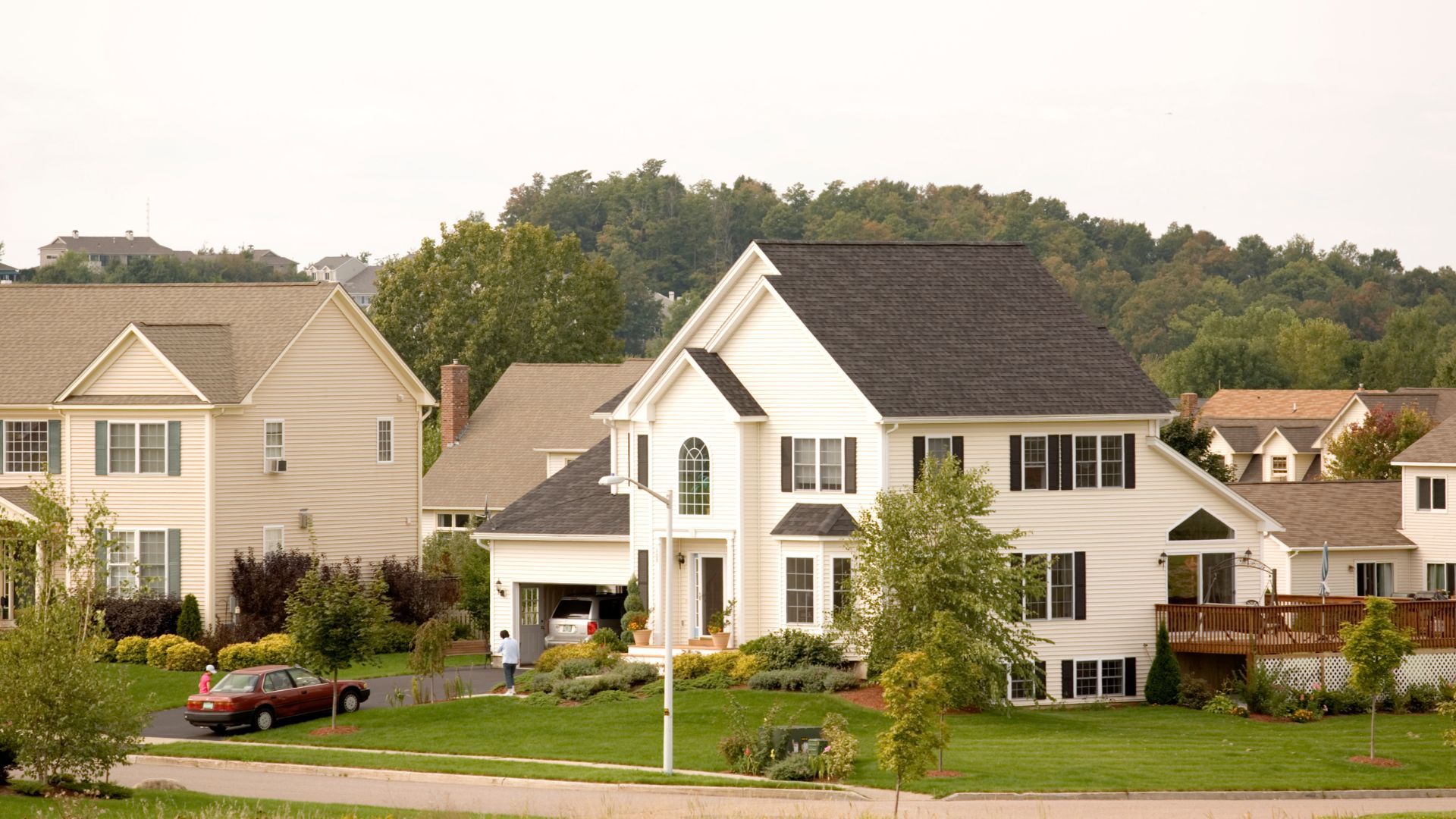
These established neighborhoods offer primarily single-family homes in tree-lined suburban settings. West End features some of Rockville's most expensive properties with large lots and premium schools. King Farm provides newer construction with townhouses and single-family homes alongside community amenities like pools and parks.
Families dominate these neighborhoods, attracted by excellent schools and safe, quiet streets. Children play outside and neighbors know each other. However, prices reflect this desirability with homes often exceeding $800,000 to $1,000,000.
Twinbrook
Twinbrook represents one of Rockville's more affordable areas while maintaining good access to Metro and major roads. The neighborhood includes a mix of single-family homes, townhouses, and apartments at somewhat lower price points than premium areas.
Twinbrook Station provides Red Line Metro access for D.C. commuters. The neighborhood features diverse residents and more modest housing stock than West End or King Farm. Prices remain elevated by national standards but offer relative value within Rockville's market.
Woodley Gardens and College Gardens
These neighborhoods offer mid-range housing options between premium and budget areas. Single-family homes, townhouses, and some apartments serve middle-income families and professionals. Tree-lined streets, parks, and good schools attract residents seeking traditional suburban living.
Location provides reasonable access to both downtown Rockville and major highways. Commute times stay moderate for most employment centers. Housing prices fall in the $500,000 to $700,000 range for single-family homes.
Education and Schools
Montgomery County Public Schools consistently rank among Maryland's best school systems, providing a major draw for families moving to Rockville, Maryland.
Public School Quality
Rockville High School, Richard Montgomery High School, and Walt Whitman High School serve different areas of Rockville. All maintain strong academic reputations with high graduation rates and college acceptance percentages. Advanced Placement course offerings, STEM programs, and arts education provide comprehensive curriculum options.
Elementary and middle schools throughout Rockville similarly deliver quality education. Small class sizes, experienced teachers, and robust parent involvement contribute to student success. Test scores consistently exceed state averages across grade levels and subjects.
The school quality justifies Rockville's premium housing costs for many families. Parents prioritize education and willingly pay elevated prices for access to excellent public schools.
Private and Alternative Options
Private schools serve families seeking alternatives to public education. Religious schools, preparatory academies, and specialized programs operate throughout Montgomery County. However, tuition costs add substantially to household budgets.
Montgomery College provides community college education at accessible costs. The institution offers associate degrees, certificate programs, and transfer pathways to four-year universities. Located partially in Rockville, the college serves traditional students and adult learners.
Employment and Career Opportunities
Rockville's robust job market represents a major advantage for professionals in specific industries.
Biotechnology and Life Sciences
The I-270 Technology Corridor hosts numerous biotechnology, pharmaceutical, and medical research companies. Major employers include GlaxoSmithKline, AstraZeneca, Meso Scale Discovery, and countless smaller firms. Research positions, laboratory work, clinical trials, and administrative roles provide diverse opportunities.
The concentration of biotech companies creates career advancement opportunities through job mobility between firms. Professionals build networks and access cutting-edge research and development work.
Technology and Software
Software companies, IT consulting firms, and technology contractors cluster along I-270. Federal government contracts drive much of this employment. Positions span software development, cybersecurity, data analytics, and systems administration.
Salaries in technology fields typically support Rockville's elevated living costs. The competitive job market attracts talent from across the country.
Federal Government and Contracting
Proximity to Washington D.C. provides access to federal employment and contractor positions. Agencies, departments, and contractors hire for roles spanning administration, policy, research, and technical specialties.
Federal salaries follow standardized GS pay scales that often support comfortable Rockville living. Job stability and benefits packages attract many residents to government careers.
Healthcare and Professional Services
Hospitals, medical practices, and healthcare facilities employ substantial numbers. Professional services including law firms, accounting practices, and consulting companies serve both government and commercial clients.
These diverse employment sectors create economic resilience. Multiple industries provide opportunities for various skill sets and career paths.
Transportation and Commuting
Commuting options significantly impact daily life when moving to Rockville, Maryland. The city provides multiple transportation modes with varying advantages and tradeoffs.
Metro Rail Access
The Red Line serves Rockville through multiple stations providing the primary public transit option. Trains run frequently during weekday rush hours enabling car-free D.C. commuting. Travel time to downtown Washington ranges from 35 to 45 minutes depending on station and destination.
Metro fares use distance-based pricing ranging from $2.00 to $6.00 per trip. Monthly passes provide savings for regular commuters. The public transportation costs analysis details fare structures and budget implications.
Metro access enables some residents to live car-free or with just one household vehicle. This reduces transportation costs substantially compared to multi-car ownership.
Driving and Traffic
Despite transit access, many Rockville residents drive regularly. I-270, I-495, and local roads provide vehicle access throughout the region. However, traffic congestion creates significant challenges during rush hours.
I-270 experiences notorious bottlenecks that extend commute times dramatically. A drive that takes 25 minutes off-peak may require 60 to 90 minutes during morning or evening rush hours. Commuters must factor this unpredictability into schedules and patience.
Average commute times sit around 28 minutes though this varies widely based on destination and departure timing. Flexible work schedules that avoid peak traffic significantly improve driving experiences.
MARC Train Service
The MARC Brunswick Line provides commuter rail service to Washington Union Station. Trains run on limited schedules focused on traditional commute times. Fares cost less than Metro for long-distance trips though service frequency remains lower.
MARC works well for residents with predictable schedules who can coordinate with train times. The service reduces stress compared to driving in traffic.
Lifestyle and Amenities
Rockville delivers abundant amenities supporting diverse interests and lifestyles.
Parks and Recreation
Over 1,000 acres of parkland provide outdoor recreation throughout Rockville. Rock Creek Regional Park offers extensive hiking and biking trails. Lake Needwood features fishing, boating, and picnic facilities. Neighborhood parks include playgrounds, sports fields, and walking paths.
The Rockville Swim and Fitness Center provides aquatic facilities and exercise equipment. Multiple community centers host programs, classes, and events for all ages.
Dining and Entertainment
Rockville Town Square concentrates restaurants, bars, and entertainment venues. Cuisines span the globe reflecting the city's diversity. Options range from casual eateries to upscale dining establishments.
The entertainment budget considerations help plan discretionary spending. Movie theaters, live music venues, and cultural events provide regular activity options.
Shopping and Services
Major shopping centers include the Rockville Pike corridor with numerous retailers. Grocery stores include both premium options like Whole Foods and budget alternatives like Aldi. The grocery shopping strategies help minimize food costs.
Professional services, medical facilities, and personal care businesses operate throughout the city. Most needs get met without traveling to D.C. or other cities.
Cultural and Community
Montgomery County's diversity creates welcoming, inclusive communities. Residents from around the world contribute to cultural richness. International restaurants, cultural festivals, and language diversity reflect this composition.
Community involvement stays high with active civic groups, volunteer organizations, and neighborhood associations. The volunteer spirit contributes to community cohesion and quality of life.
Healthcare Access
Montgomery County hospitals and medical facilities deliver high-quality care. Adventist HealthCare, Shady Grove Medical Center, and numerous specialty practices serve the area. Proximity to National Institutes of Health and major D.C. medical centers provides access to cutting-edge treatments and research.
Primary care physicians, specialists, and dental practices operate throughout Rockville. Most residents find convenient local healthcare without extensive travel.
Weighing the Pros and Cons
Is Rockville, Maryland a good place to live? The detailed answer involves balancing numerous factors.
Key Advantages:
- Excellent public schools consistently ranking among Maryland's best systems
- Abundant career opportunities in biotechnology, technology, and government sectors
- Metro access enabling car-free commuting to Washington D.C.
- Over 1,000 acres of parks and green space supporting outdoor recreation
- Cultural diversity creating welcoming, inclusive communities
- Low crime rates and safe neighborhoods throughout the city
- Abundant dining, shopping, and entertainment options
- Proximity to Washington D.C. cultural attractions and amenities
- Strong property values and home appreciation rates
- High median household incomes supporting quality of life
Significant Challenges:
- Very high cost of living running 36% to 53% above national averages
- Expensive housing with median home values around $636,000
- Heavy traffic congestion on I-270 and major roads during rush hours
- High property taxes reflecting elevated home values
- Competitive housing market requiring quick decisions and strong offers
- Limited affordable housing options for moderate-income residents
- High rents averaging $2,000 to $2,800 for typical apartments
- Hot, humid summers requiring substantial air conditioning costs
- Occasional winter snow and ice creating weather challenges
- Parking costs and congestion in downtown areas
Making Your Decision
Moving to Rockville, Maryland makes sense for families prioritizing education, professionals in biotech or technology fields, and individuals valuing diversity and metropolitan amenities. The city rewards those who can afford its elevated costs with exceptional quality of life, career opportunities, and community benefits.
The decision requires honest financial assessment. Use cost comparison tools to evaluate whether your income supports Rockville living. Research specific neighborhoods matching your budget and preferences. Understand rental application processes to navigate competitive markets effectively.
Consider visiting Rockville multiple times before committing. Experience the commute at rush hour. Explore various neighborhoods. Sample restaurants and visit parks. Talk to current residents about their experiences. This research reveals whether Rockville genuinely fits your lifestyle and priorities.
Additional resources on Livability's Rockville page provide further insights into community characteristics and quality of life factors. The combination of objective data and subjective experience creates the best foundation for relocation decisions.
For many residents, Rockville's premium costs prove worthwhile through exceptional schools, career opportunities, and quality of life benefits. The city delivers on its reputation as one of Maryland's top places to live for those whose financial situations support the investment.